software
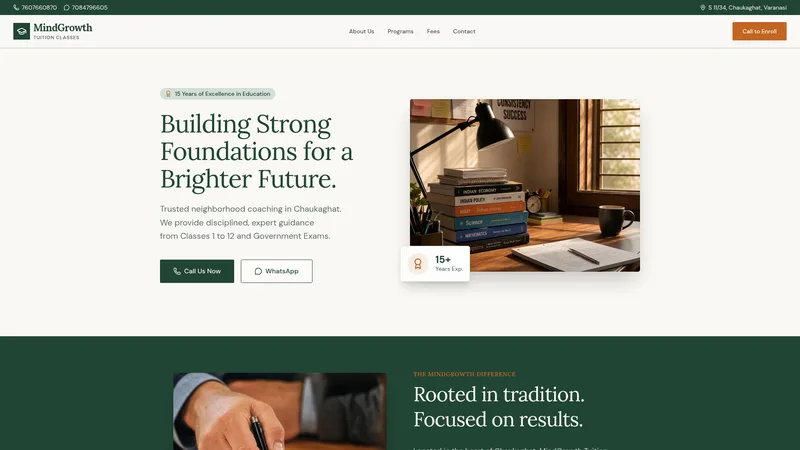
Bulkpush — Bulk Upload Management
Published software project example; review the portfolio entry for project context.
View this portfolio example
This page uses the familiar Gurgaon URL while covering Gurugram. A startup or SaaS website should explain the product, intended user and next step; a professional-services site needs a clear scope and credible, verifiable proof.
Review real portfolio pages for visual and project context. These examples are selected by project type and are not claims that each client is based in Gurugram (Gurgaon).
Published software project example; review the portfolio entry for project context.
View this portfolio example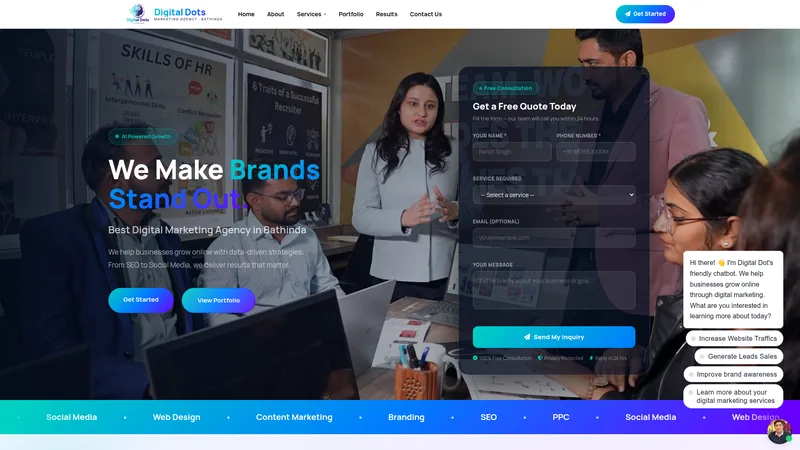
Published agency website example, not a claim of a Gurugram client.
View this portfolio exampleFor software, organise use cases, product capabilities, integrations and a demo or contact route around actual features. Professional services need service pages, a defined process and case examples only when permission and facts are confirmed.
BuntyTech works remotely with businesses in Gurugram (Gurgaon). Before development begins, we confirm the project scope, communication plan, approval steps and any travel requirements.
For a Gurugram (Gurgaon) project, a landing page starts from ₹1,500. Other quotes depend on page count, admin features, payments, bookings and integrations; review the full package prices and inclusions before choosing.
View website pricesFor startups in Gurugram (Gurgaon), explain the real product or service, intended user, current capabilities and a useful next step such as a demo or project enquiry. Keep feature, integration, security and customer claims evidence-based.
For SaaS businesses in Gurugram (Gurgaon), explain the real product or service, intended user, current capabilities and a useful next step such as a demo or project enquiry. Keep feature, integration, security and customer claims evidence-based.
For professional services in Gurugram (Gurgaon), describe the actual offer, inclusions and contact steps. Use current facts and publish examples only with permission.
A useful first build can separate product discovery from sales contact: visitors should understand the offer before booking a demo. Decide who owns updates to product details, integrations, security statements and customer examples.
A startup page should explain the user’s problem, the product’s current capability and what to do next. Lead with a concrete use case, explain the workflow and separate available functions from planned ones. A professional-services page should define deliverables and process, and show examples only with approval. BuntyTech works remotely with businesses in Gurugram (Gurgaon) and confirms the project scope before development.
Before publishing, create an approved list of features and integrations. For each integration, state whether it is live, optional or still planned. Security statements should describe controls that are actually implemented and reviewed; do not use generic claims such as fully secure or enterprise-grade without evidence. Identify who maintains product information, release notes and documentation. A demo form should request only useful qualification details and tell visitors what happens next. If the product handles personal or business data, explain the data flow and link to a privacy notice consistent with the real system. These checks protect trust and help a technical buyer decide whether a conversation is worth having.
A demonstration request can be routed to a person or a scheduling system, but the business should first define ownership and follow-up. Decide which team member receives the lead, what context is included, how availability is confirmed and what happens if the requested slot is unavailable. Test the form on mobile and confirm success, validation and failure states. Do not add tracking events more than once or fire them before required consent. For a new website, begin with the few pages needed to explain the product, its use cases, pricing approach if verified and contact route. Expand based on customer questions and measured demand rather than publishing many near-identical pages.
Use these checks to decide what to build, what to prepare and how to test the parts customers will rely on.
A marketing page helps a buyer understand the problem, intended user, current capabilities, pricing approach and how to request a demo. The signed-in product is a separate application with its own user roles, data, permissions, integrations and support requirements. Make that distinction clear in a brief. Do not promise a feature that is only on a roadmap, or describe an integration as available until it has been tested in the agreed product environment.
A useful product explanation walks through a task: what information a user provides, what the software does and what the user can review next. Use a genuine screenshot or a clearly labelled prototype. Explain prerequisites and limitations that affect the workflow. This helps a prospective customer decide whether a conversation is worthwhile without relying on vague claims such as “AI-powered” or “enterprise-ready” that do not explain what the product actually does.
A demo form may ask about organisation type, the use case and the preferred contact method. A project enquiry should instead ask for the main problem, essential release features and existing systems. Keep the form short, say who will receive the message and confirm the submission reaches a monitored inbox. Do not add calendar integrations, CRM sync or lead scoring until the data, accounts, permissions and ongoing provider costs are part of the agreed scope.
Technology buyers may ask about security, privacy, data location, uptime, integrations and source-code ownership. Publish only current, verifiable details and explain their scope. A generic statement that a product is fully secure is not useful evidence. If documentation is available, link to it; if a certification is planned rather than achieved, label that distinction. Keep the information consistent between the marketing page, proposal and product documentation.
List user roles, key workflows, data to store, integrations, reporting needs and acceptance tests for the first release. Then separate must-have launch work from later roadmap ideas. Identify the product owner, the person who approves content, the team responsible for user questions and who maintains deployment accounts. This creates a realistic scope and makes it easier to estimate an MVP without quietly turning a website request into a larger software build.
These details help BuntyTech review your requirements and agree scope, price and milestones in writing.
Compare the Bhuna plan with the requirements outlined for Gurugram (Gurgaon); choose pages and functions for the audience each site must serve.
Compare the Fatehabad plan with the requirements outlined for Gurugram (Gurgaon); choose pages and functions for the audience each site must serve.
Compare the Hisar plan with the requirements outlined for Gurugram (Gurgaon); choose pages and functions for the audience each site must serve.
Compare the Sirsa plan with the requirements outlined for Gurugram (Gurgaon); choose pages and functions for the audience each site must serve.
Use the location directory to compare remote service areas before choosing the right enquiry route for a Gurugram (Gurgaon) project.
For a Gurugram (Gurgaon) website focused on startups and SaaS businesses, tell us the visitor action and features you need. We can review the scope before quoting.
Contact BuntyTechFor a project serving Gurugram (Gurgaon), tell us the intended audience, the main action visitors should take and any essential functions.