business
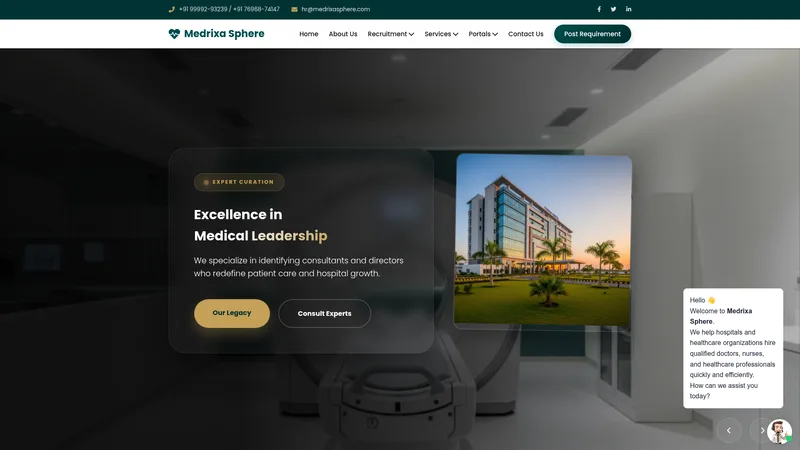
Medrixasphere — Hiring Website
Published hiring-platform website example with its own portfolio detail page.
View this portfolio example
A website should help a real visitor make a decision: understand a service, evaluate a software product, or request a product quotation. BuntyTech works remotely with businesses serving Noida; page scope, features, price and delivery milestones are agreed before development starts.
Review real portfolio pages for visual and project context. These examples are selected by project type and are not claims that each client is based in Noida.
Published hiring-platform website example with its own portfolio detail page.
View this portfolio example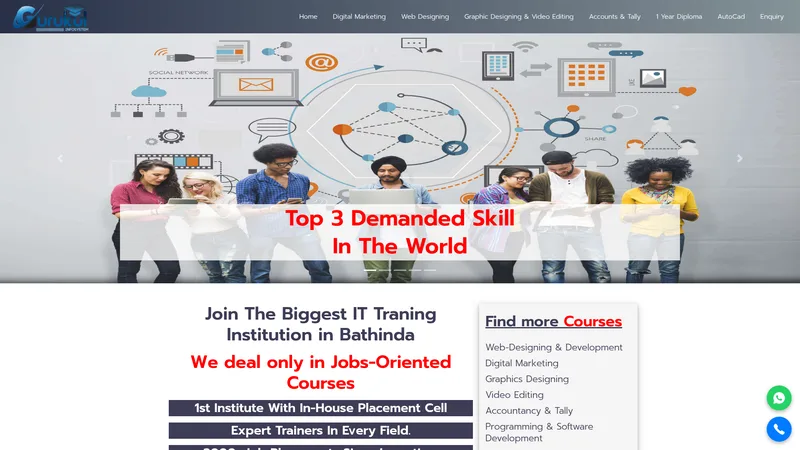
Published software-company project example; shown as relevant work, not a Noida client claim.
View this portfolio exampleFor software and IT services, explain the buyer, problem, current capability and the next step. For a manufacturer or distributor, organise verified specifications, variants and a quote route. For professional services, state what is included, how the work begins and what evidence can be shared. Keep unrelated offers on separate pages.
BuntyTech works remotely with businesses in Noida. Before development begins, we confirm the project scope, communication plan, approval steps and any travel requirements.
For a Noida project, a landing page starts from ₹1,500. Other quotes depend on page count, admin features, payments, bookings and integrations; review the full package prices and inclusions before choosing.
View website pricesFor software and SaaS teams in Noida, explain the real product or service, intended user, current capabilities and a useful next step such as a demo or project enquiry. Keep feature, integration, security and customer claims evidence-based.
For manufacturers and distributors in Noida, present the verified product range, materials or capabilities, relevant specifications and the information needed for a quote. Publish certification, capacity, delivery or export claims only when the business can substantiate them.
For professional service firms in Noida, describe the actual offer, inclusions and contact steps. Use current facts and publish examples only with permission.
A first release might include a focused home page, separate service or product pages, authorised project examples and one tested contact or RFQ route. Add a demo, customer portal or online checkout only when its user roles, data, support and day-to-day owner are clear.
A Noida business should give software buyers clear use cases, supported workflows and a demo route. Manufacturing buyers need verified specifications, materials, capacity information and a quotation process. Startup visitors need to understand the problem addressed and the product’s current state. Use focused pages or sections for each offer instead of mixing unrelated keywords. BuntyTech plans and delivers this work remotely for businesses serving Noida.
For software, document the user task, required inputs, expected result, supported devices and any real integration. Mark features that are available today and those still under development. For manufacturing, maintain a reviewed source for dimensions, specifications, variants, materials and applicable certifications. Publish a certification only when it is current and attributable. A buyer should be able to ask a focused question without sharing confidential information through an unsecured form. Create an enquiry path that routes the request to the correct product or technical team, and explain whether the next step is a consultation, product discussion or quotation review.
Assign a content owner before launch. Product features, integration availability, manufacturing specifications and contact details can change, so decide who reviews them and how updates are approved. A CMS or admin panel is valuable only when the team can use it safely and the editing roles are clear. Test forms, mobile navigation, error messages and any file-upload process; confirm that submitted requests are delivered and stored according to the stated privacy notice. Keep technical claims concise, link related product or service pages where useful and avoid duplicating the same paragraph across several URLs. After launch, review genuine enquiry patterns and Search Console reports to identify what needs improvement.
Use these checks to decide what to build, what to prepare and how to test the parts customers will rely on.
A technology page should identify who uses the product, which task it supports, what features are available now and what a buyer can do next. Use an actual workflow or labelled interface image instead of a generic stock visual. Separate marketing content from the application itself, and mark roadmap items clearly. For integrations, state whether they are live or planned and avoid describing unsupported security or customer outcomes. This helps a technical buyer assess fit before requesting a demo.
A catalogue should organise product variants, specifications, dimensions, materials and supporting documents in a way a buyer can compare. An RFQ form can ask for the product reference, relevant variant, approximate quantity and contact details. Do not request confidential drawings through a basic public form. Tell buyers how to share sensitive specifications securely if needed. The business should assign a person to receive quotations and keep product information aligned with current supply.
A consulting or service company should state the work included, the intended customer, information needed to begin and the next step after an enquiry. Keep unrelated service categories on separate pages when the visitor’s decision differs. Use genuine portfolio examples and link to their case pages without implying that every example is a Noida engagement. Clear scope and evidence help a prospect compare options without reading generic claims.
The right contact action depends on the visitor. A product buyer may need a demo; a manufacturer may need a quotation; a professional service customer may need a discovery conversation. Use a separate CTA or form field for these intents instead of sending every visitor to one unlabelled button. Test each submission from a phone and verify routing. Do not add extra software features until the team knows who will operate and maintain them.
Before a custom build, agree the page list, features, roles, data, integrations, content, testing and account ownership. Decide whether staff need an admin panel and which content they can safely edit. Include backup, training and ongoing maintenance responsibilities in the handover. For a public website, test keyboard access, mobile layouts, link destinations and form delivery. These basics help a team manage the site after launch instead of depending on undocumented developer assumptions.
These details help BuntyTech review your requirements and agree scope, price and milestones in writing.
For a Noida website focused on software and SaaS teams and manufacturers and distributors, tell us the visitor action and features you need. We can review the scope before quoting.
Contact BuntyTechFor a project serving Noida, tell us the intended audience, the main action visitors should take and any essential functions.