other
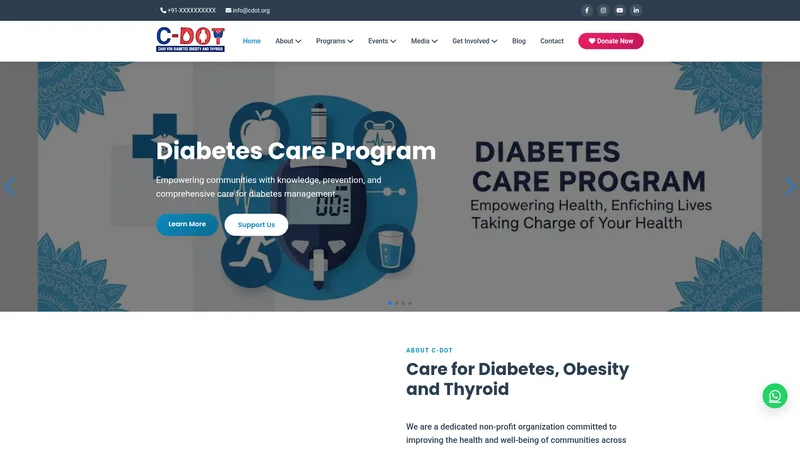
Cdot — Organisation
Published organisation website example; open the case page for its recorded scope.
View this portfolio example
A Delhi business website competes for attention in a broad market, so it should quickly explain the organisation’s offer and audience. A B2B buyer, a small-business customer and a clinic visitor each need different evidence and contact steps.
Review real portfolio pages for visual and project context. These examples are selected by project type and are not claims that each client is based in Delhi.
Published organisation website example; open the case page for its recorded scope.
View this portfolio example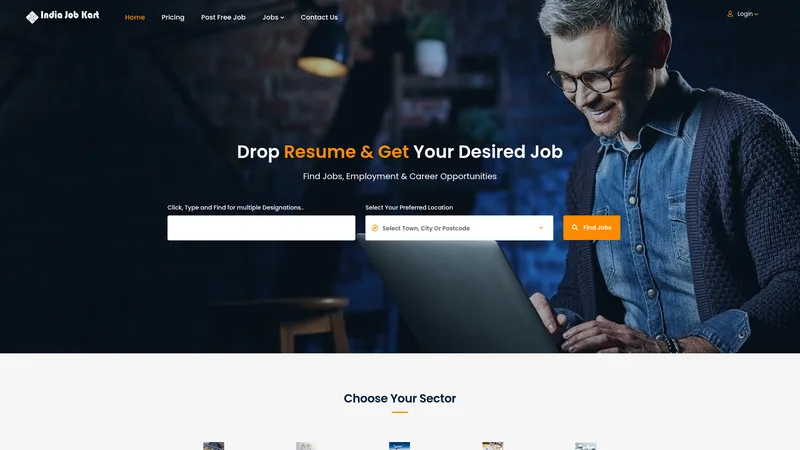
Published job-portal project example, shown as product work rather than a Delhi client claim.
View this portfolio exampleB2B and SME sites should define services, scope and quote requirements. Clinics need verified practitioner and service details; professional-services pages should show process and authorised examples rather than generic superiority claims.
BuntyTech works remotely with businesses in Delhi. Before development begins, we confirm the project scope, communication plan, approval steps and any travel requirements.
For a Delhi project, a landing page starts from ₹1,500. Other quotes depend on page count, admin features, payments, bookings and integrations; review the full package prices and inclusions before choosing.
View website pricesFor B2B businesses in Delhi, explain the real product or service, intended user, current capabilities and a useful next step such as a demo or project enquiry. Keep feature, integration, security and customer claims evidence-based.
For SMEs in Delhi, describe the actual offer, inclusions and contact steps. Use current facts and publish examples only with permission.
For clinics in Delhi, publish verified service, practitioner and contact details. Make appointment steps clear, avoid unsupported treatment or outcome claims, and do not collect sensitive information through a basic form.
For professional services in Delhi, describe the actual offer, inclusions and contact steps. Use current facts and publish examples only with permission.
Select the priority Delhi audience first, then give it a dedicated page and enquiry route. Avoid adding broad city phrases where they do not help a prospective customer decide.
B2B pages should explain capability, fit, process and how to request a discussion. Small-business pages should make services, operating coverage and phone or WhatsApp contact easy to find. Professional firms need a defined scope; clinics need verified service and appointment information. Separate pages answer each audience’s questions. For remote delivery, explain collaboration, feedback and approvals. BuntyTech works remotely with businesses serving Delhi.
A B2B enquiry form can request the organisation type, project goal, key requirement and preferred contact method. If a visitor can attach a document, explain acceptable formats and how the data is handled. Do not ask for confidential contracts, passwords, financial records or sensitive health information in a general lead form. Clinics should route appointment questions appropriately and use verified credentials. Professional firms can publish their working process and the information needed for an initial scope discussion, but should avoid giving misleading guarantees. A privacy statement should match what the form actually does, and the business should confirm that submissions reach a monitored inbox or admin workflow.
For a business with clients in multiple parts of Delhi or outside the city, explain which areas can be served and whether delivery is remote, in person or mixed. Do not create a page for every neighbourhood unless there is distinct, useful service information for that audience. Use case studies only when outcomes and permissions are verified. Add a clear next step after every major service explanation, then test the complete journey from mobile page to successful enquiry. Track form, phone and WhatsApp interactions only with a correctly configured analytics setup and appropriate consent. Search engines decide independently whether to crawl and index a page; useful content and reliable technical signals support eligibility but cannot promise a position.
Use these checks to decide what to build, what to prepare and how to test the parts customers will rely on.
A visitor should quickly understand the business, intended customer, service boundaries and next step. For B2B work, explain deliverables, decision stages and the information needed for a proposal. For local services, make coverage and contact details easy to find. For a clinic, use reviewed service and appointment information. Separate these routes so one audience does not have to scan unrelated marketing copy to find a relevant answer.
A portfolio is useful when it shows the actual project, business context and available evidence without claiming results that are not documented. Link to published projects and let the visitor inspect them. Do not add client logos, quotations or metrics without permission and a source. If an example demonstrates a design format rather than a Delhi engagement, label it as a portfolio example instead of implying the client was local.
A lead form can ask for organisation type, project requirement, approximate budget range and preferred contact channel if those details genuinely help prepare a reply. Keep the description field short and optional where possible. Do not request passwords, bank details, medical history or confidential files. Display a privacy notice that matches the real data process, test where submissions arrive and provide a monitored email or phone alternative.
A landing page can support one offer or campaign when visitors need a concise explanation and clear call to action. A broader site is more useful when buyers compare separate services, policies, case studies and support details. Keep each page focused on one intent and connect related subjects with descriptive links. This structure helps people navigate and avoids creating many near-identical city or service pages that compete with each other.
Before work begins, agree who supplies copy, reviews design, approves the final build and controls domain and hosting accounts. Confirm scope, exclusions, milestones, maintenance and third-party fees in writing. Test forms, navigation, phone links, accessibility basics and mobile layouts before release. After launch, review real enquiries and questions from prospects. Update the page when the offer changes, rather than changing a date or publishing a new keyword page without new information.
These details help BuntyTech review your requirements and agree scope, price and milestones in writing.
For a Delhi website focused on B2B businesses and SMEs, tell us the visitor action and features you need. We can review the scope before quoting.
Contact BuntyTechFor a project serving Delhi, tell us the intended audience, the main action visitors should take and any essential functions.