healthcare
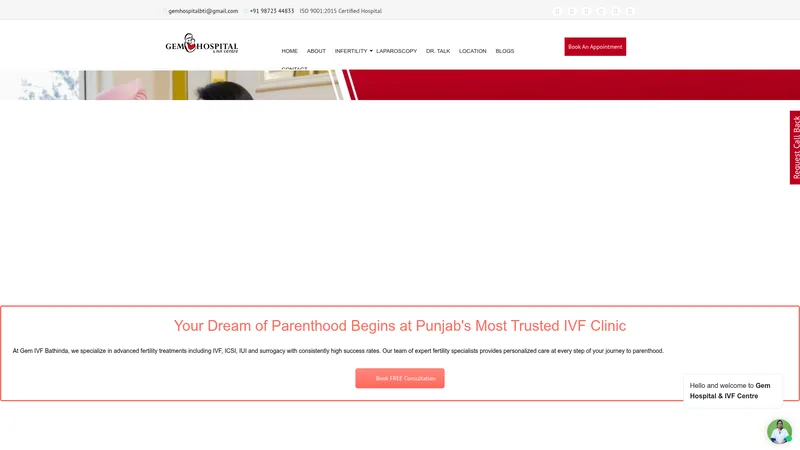
Gemivf — IVF Hospital
Published healthcare project example; see its portfolio page for project details.
View this portfolio example
A Hyderabad website can introduce a technology service, answer a healthcare question or support an online store. Choose a distinct visitor journey for each offer and match it to the business’s real operations.
Review real portfolio pages for visual and project context. These examples are selected by project type and are not claims that each client is based in Hyderabad.
Published healthcare project example; see its portfolio page for project details.
View this portfolio example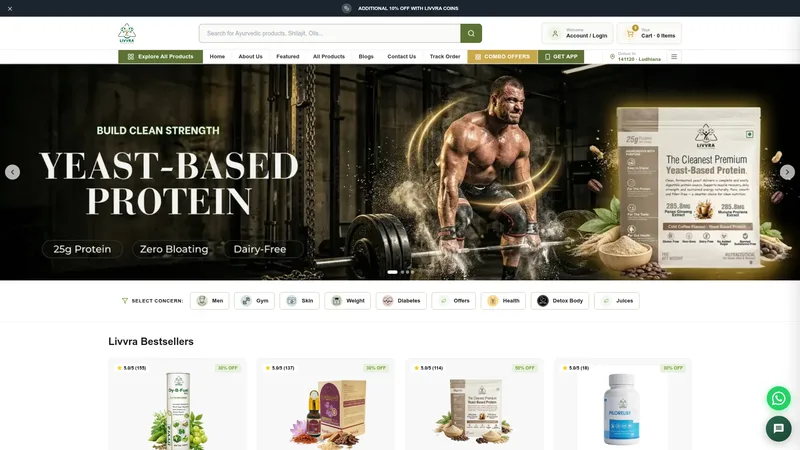
Published ecommerce example showing a separate online-store project.
View this portfolio exampleTechnology pages should explain services or product capabilities. Healthcare content needs accurate, reviewed information; ecommerce pages need current products, payment and delivery details, privacy terms and a working support path.
BuntyTech works remotely with businesses in Hyderabad. Before development begins, we confirm the project scope, communication plan, approval steps and any travel requirements.
For a Hyderabad project, a landing page starts from ₹1,500. Other quotes depend on page count, admin features, payments, bookings and integrations; review the full package prices and inclusions before choosing.
View website pricesFor technology businesses in Hyderabad, explain the real product or service, intended user, current capabilities and a useful next step such as a demo or project enquiry. Keep feature, integration, security and customer claims evidence-based.
For healthcare in Hyderabad, publish verified service, practitioner and contact details. Make appointment steps clear, avoid unsupported treatment or outcome claims, and do not collect sensitive information through a basic form.
For ecommerce in Hyderabad, organise products or services with accurate specifications, variants, availability and a clear enquiry or order path. Keep changing prices and stock current, or explain how customers can confirm them.
First decide whether visitors need a demo, an appointment or a purchase. Map the content and any external tools needed for that action before deciding how much custom functionality to build.
A Hyderabad technology company should explain its product and integrations; a healthcare organisation should publish verified service and appointment information; and an ecommerce business should guide customers from product choice to order. Give each audience its own entry point and next step. Separate live features from plans, protect healthcare information and make delivery terms easy to review. BuntyTech plans and delivers these projects remotely for businesses serving Hyderabad.
Before adding forms, accounts, booking or checkout, list the information collected and identify why each field is needed. A general enquiry form should not solicit medical history, payment credentials or passwords. Healthcare appointment details should go through a workflow appropriate to the information involved. Ecommerce checkout must clearly handle order and delivery data, while product analytics should match the site's privacy commitments. Assign responsibility for access, retention and account security, and test form errors as well as successful submissions. Explain privacy in language visitors can understand and ensure the policy matches what the system actually does.
For a technology enquiry, test the demo or consultation path. For healthcare, test the contact route without exposing sensitive test data. For ecommerce, verify product variants, cart behavior, checkout, confirmation and staff order handling. Repeat each journey on a mobile device and test keyboard navigation. Confirm that analytics events do not fire twice and that any consent controls work as intended. Keep product, service and contact details consistent across the homepage and relevant pages. A site audit can identify limited public technical signals, but it cannot prove rankings, conversion quality or Google indexing; use Search Console and real user testing for those questions. Keep ownership and maintenance responsibilities explicit before launch.
Use these checks to decide what to build, what to prepare and how to test the parts customers will rely on.
A healthcare website should show reviewed services, practitioner information, current hours and appointment instructions. Keep general marketing enquiries separate from patient records and avoid collecting medical history in a basic form. Ensure the call or booking action is monitored and explain whether a request is confirmed or awaiting a reply. Use authorised images and publish only claims the provider can substantiate. A visitor should be able to find practical information without mistaking the website for emergency care.
An online store must handle product variants, stock, payments, delivery, cancellation, returns and customer questions. Assign an owner to each task and test normal and failure paths before launch. Keep policies visible before the customer pays. If fulfilment cannot be maintained online, a product catalogue and enquiry route may be a better first stage. Decide how orders are confirmed and how staff respond to a failed payment or unavailable product.
A technology page should connect the target user to the job the product performs, the current features and the next step. Distinguish live integrations from planned ones, and use a real screenshot or labelled prototype. Keep security and performance statements evidence-based. Link to documentation only when it is current and approved for public access. This helps buyers understand what they can evaluate today rather than relying on broad claims about future functionality.
Before adding contact, booking, account or payment features, list the data collected and why each field is needed. A general form should not ask for passwords, payment credentials or sensitive health details. Decide who can access submissions, how long they are retained and which system processes them. Make the privacy notice match the actual flow. Test the complete form or checkout on a phone and confirm the information reaches the intended team.
A site remains useful when the team knows who updates products, hours, features, policies and contact details. Include the owner and review frequency in the internal handover. Define who maintains hosting, backups, software and payment accounts. After launch, use support questions to identify unclear content and review approved analytics before changing the page. Do not create extra area pages unless the audience and information differ in a meaningful way.
These details help BuntyTech review your requirements and agree scope, price and milestones in writing.
For a Hyderabad website focused on technology businesses and healthcare, tell us the visitor action and features you need. We can review the scope before quoting.
Contact BuntyTechFor a project serving Hyderabad, tell us the intended audience, the main action visitors should take and any essential functions.