Corporate Website
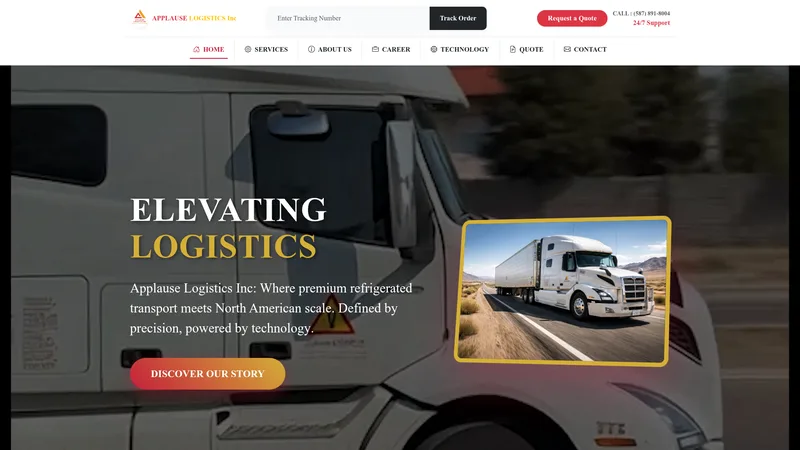
Applause Logistics Inc — Canada Freight
Published corporate website example; its portfolio entry gives the project context.
View this portfolio example
This established URL uses “Bangalore”; the page itself names Bengaluru as well. A technology or SaaS website should explain the actual product, who it serves and how a prospective user can evaluate it.
Review real portfolio pages for visual and project context. These examples are selected by project type and are not claims that each client is based in Bengaluru (Bangalore).
Published corporate website example; its portfolio entry gives the project context.
View this portfolio example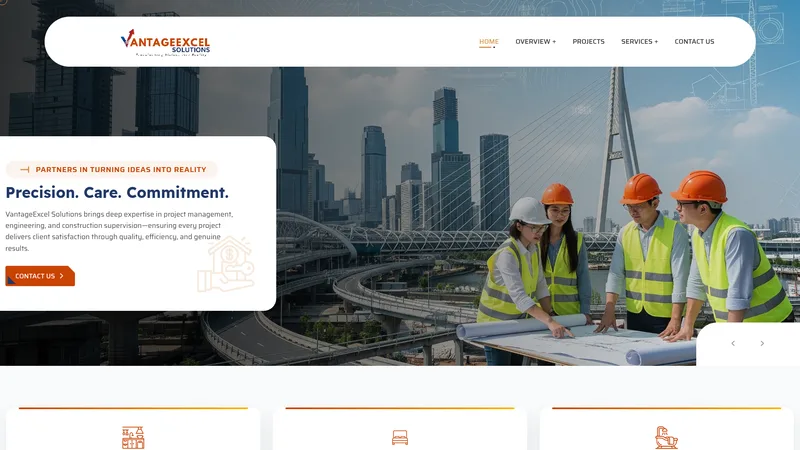
Published business website example showing a different service-company format.
View this portfolio exampleOrganise product pages by real use case, feature and user role. A demo request should ask only useful qualification questions; keep integration, security, customer and performance statements consistent with what the product can demonstrate.
BuntyTech works remotely with businesses in Bengaluru (Bangalore). Before development begins, we confirm the project scope, communication plan, approval steps and any travel requirements.
For a Bengaluru (Bangalore) project, a landing page starts from ₹1,500. Other quotes depend on page count, admin features, payments, bookings and integrations; review the full package prices and inclusions before choosing.
View website pricesFor startups in Bengaluru (Bangalore), explain the real product or service, intended user, current capabilities and a useful next step such as a demo or project enquiry. Keep feature, integration, security and customer claims evidence-based.
For SaaS businesses in Bengaluru (Bangalore), explain the real product or service, intended user, current capabilities and a useful next step such as a demo or project enquiry. Keep feature, integration, security and customer claims evidence-based.
For technology businesses in Bengaluru (Bangalore), explain the real product or service, intended user, current capabilities and a useful next step such as a demo or project enquiry. Keep feature, integration, security and customer claims evidence-based.
A practical Bengaluru launch can include a product overview, use-case pages and a demo or contact flow. Decide which claims need technical review and how feature changes will be reflected on the site after release.
A startup, SaaS or technology company should describe the user, task and product outcome using details supported by the current product. Show a short workflow, the information required and the result the interface provides. Explain distinct user roles and list only verified integrations, uptime terms, security certifications and customer adoption. BuntyTech works remotely with businesses serving Bengaluru (Bangalore).
A product page can link to concise documentation describing supported browsers, account setup, key integrations and known requirements, but only publish details that are current. A buyer should be able to distinguish a live feature from a roadmap item. If a demo or trial is offered, explain how access works and what information is collected. Provide a clear route for technical questions without asking visitors to paste secrets or private source code into a public form. Assign an owner to update product facts after releases, and keep marketing descriptions consistent with actual behavior. Accurate detail is more credible than a long list of broad technology terms.
Decide who owns product copy, integration status, case-study approval and demo requests. A lead form should collect only the details needed to route a conversation; do not request confidential architecture or credentials. If analytics measures demo or contact actions, ensure events are configured once and respect the site's consent settings. Test mobile navigation, keyboard access, form validation and confirmation before launch. Document account ownership, backups, deployment responsibilities and how content changes are reviewed. Start with pages that answer current buyer questions, then add documentation or industry pages when they provide genuinely distinct information instead of cloning the same feature list for many keywords.
Use these checks to decide what to build, what to prepare and how to test the parts customers will rely on.
A technology buyer wants to know which user problem the product addresses, what the current system can do and how a workflow operates. Use a real screenshot, a labelled prototype or a short step-by-step explanation. Distinguish available features from roadmap work. Name integrations only when they are live and tested, and describe prerequisites or limitations. This makes the page more useful than a keyword-heavy list of frameworks that does not explain the product.
For each integration, confirm supported data, account permissions, error handling and any provider fees. For security language, identify the actual controls and whether a certification is current. Avoid broad claims such as “fully secure” or “seamlessly integrates” without evidence. Link to current documentation where it helps a technical evaluator. Assign an owner to review these details when the product changes, so marketing copy does not drift away from the software users can access.
A demo should show a relevant workflow rather than repeat the homepage. Ask a visitor for the use case or team type only if that information helps tailor the conversation. Explain how the request will be handled and do not imply instant availability unless the team has confirmed it. A booking calendar, CRM integration or product trial requires additional decisions about accounts, data, scheduling and support; include those in scope before development begins.
The public site introduces the product and helps someone decide whether it fits. Documentation answers setup and implementation questions. A signed-in application handles user tasks and private data. Keep these areas clearly linked but do not place confidential workflows in public marketing pages. Ensure the enquiry form does not request passwords, source code or private architecture. A clear division improves navigation for technical and business visitors alike.
Define who approves product copy, maintains screenshots, verifies integrations, handles demo requests and owns deployment credentials. Set acceptance tests for the public site and application separately. Test mobile navigation, keyboard use, page links and forms, then document handover, backups and update responsibilities. After release, use real support questions and approved analytics to improve explanations. Do not create additional city pages for the same product unless they answer a genuinely different audience need.
These details help BuntyTech review your requirements and agree scope, price and milestones in writing.
For a Bengaluru (Bangalore) website focused on startups and SaaS businesses, tell us the visitor action and features you need. We can review the scope before quoting.
Contact BuntyTechFor a project serving Bengaluru (Bangalore), tell us the intended audience, the main action visitors should take and any essential functions.