E-commerce Website
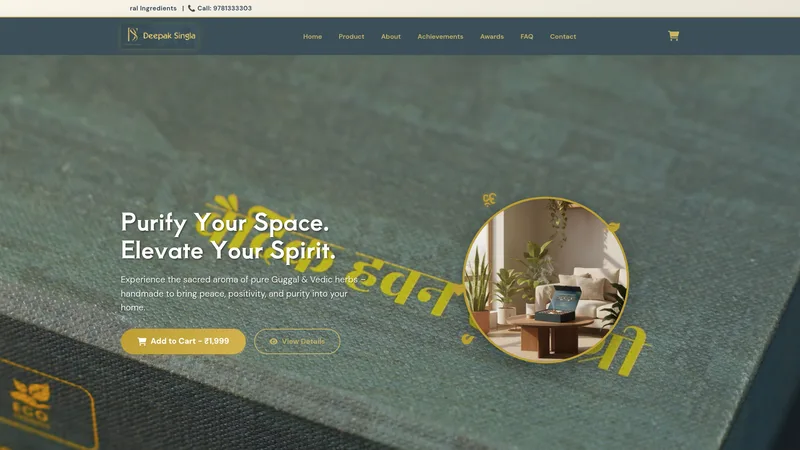
Divine by Deepak — Vedic Products
Published ecommerce project example; review the portfolio page for its actual context.
View this portfolio example
A Jaipur website can present a product collection, explain a craft or answer questions about a travel service. Give product and tourism pages distinct information, accurate prices or terms and a relevant enquiry route.
Review real portfolio pages for visual and project context. These examples are selected by project type and are not claims that each client is based in Jaipur.
Published ecommerce project example; review the portfolio page for its actual context.
View this portfolio example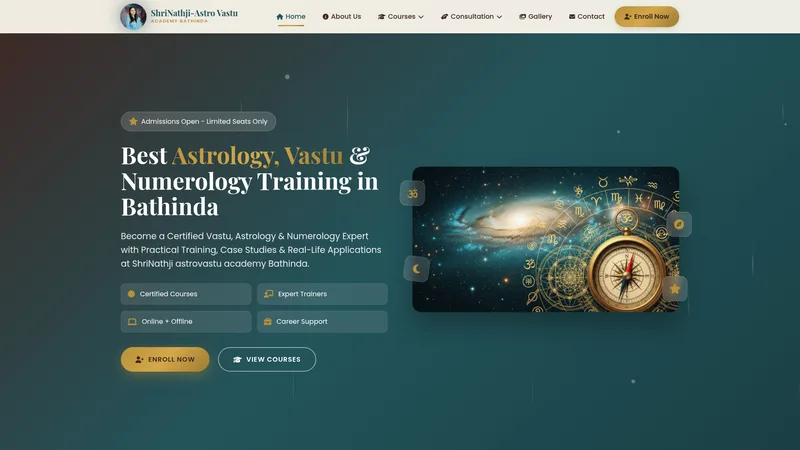
Published service and education website example, not a claim of a Jaipur client.
View this portfolio exampleJewellery and handicraft catalogues should use clear materials, dimensions and care details, with product images the business has permission to publish. Tourism businesses should keep itineraries, inclusions and booking conditions current.
BuntyTech works remotely with businesses in Jaipur. Before development begins, we confirm the project scope, communication plan, approval steps and any travel requirements.
For a Jaipur project, a landing page starts from ₹1,500. Other quotes depend on page count, admin features, payments, bookings and integrations; review the full package prices and inclusions before choosing.
View website pricesFor jewellery businesses in Jaipur, present the verified product range, materials or capabilities, relevant specifications and the information needed for a quote. Publish certification, capacity, delivery or export claims only when the business can substantiate them.
For handicraft businesses in Jaipur, present the verified product range, materials or capabilities, relevant specifications and the information needed for a quote. Publish certification, capacity, delivery or export claims only when the business can substantiate them.
For tourism businesses in Jaipur, explain the actual offer, current availability, booking terms and how to confirm arrangements. Keep schedules updated and avoid implying official affiliation or guaranteed access unless verified.
A practical first build can use a catalogue with product enquiry for considered purchases, or a separate trip-information path for tourism. Add checkout only after stock, shipping, returns and payment workflows are confirmed.
A Jaipur jewellery or handicraft website should help buyers compare products through accurate materials, dimensions, finish, care guidance and available variants. Use original photographs of the actual items and approved artisan or workshop images. State whether an item is ready to ship, made to order or sold after confirmation. Publish origin, certification and purity claims only with evidence. Explain customisation options and how customers request them. BuntyTech works remotely with businesses serving Jaipur.
A tourism-related website should make the experience, availability, duration, meeting point and booking terms easy to understand. Keep seasonal schedules and prices current or show visitors how to confirm them. Explain what is included, what visitors should bring and how cancellations are handled. Do not suggest an official affiliation or guaranteed access unless that status is verified. If the business serves international visitors, consider clear language, accessible contact details and payment or currency questions as separate requirements. A well-structured page should help someone decide whether an experience fits before they submit a booking enquiry.
Start by deciding whether the business needs a catalogue, direct online checkout or a quotation and custom-order process. Each option has different work after launch: product updates, stock, shipping, returns and customer support. Use categories that match how customers browse, and keep product names and descriptions consistent. Test product filters, mobile image display, enquiry delivery and checkout messages where applicable. Plan who maintains inventory and how out-of-stock items are handled. Use genuine reviews and customer images only with permission. The site should explain the business clearly and offer an honest next step; no amount of keyword targeting can guarantee a ranking or a sale.
Use these checks to decide what to build, what to prepare and how to test the parts customers will rely on.
A product catalogue should include the material, dimensions, finish, available variants, care instructions and a way to confirm current stock. Publish purity, certification, origin or artisan claims only when the business has evidence for the specific item. Use original photographs that show the actual product from useful angles, and label custom or made-to-order items clearly. Good product detail helps customers decide whether to enquire without implying that every item is immediately available.
A visitor may need dates, duration, meeting point, inclusions, exclusions, availability and cancellation terms before choosing an experience. Keep seasonal details current or explain how to confirm them. Make clear whether a form is a request or a confirmed booking. Avoid suggesting official affiliation, privileged access or guaranteed availability unless those claims are verified. If the business serves visitors using different languages or currencies, scope those requirements separately.
A catalogue supports browsing; a custom-order flow handles size, finish or made-to-order requests; checkout suits products with maintained prices, stock, payment, delivery and returns. Decide who confirms product details, handles refunds and responds to customer questions. If the business cannot update inventory reliably, use an enquiry step rather than showing stock as live. The website should match what staff can fulfil after launch, not only how the first screen looks.
Photograph the actual product and obtain permission before using customer, artisan or workshop images. Use descriptive alt text that names the item or explains the image without stuffing city keywords. Keep variations and prices aligned with the product source of truth. If an image is a concept or example, label it. Authentic product media gives a shopper better information and avoids a mismatch between what the page promises and what arrives.
Tourism schedules, event dates, stock, prices and delivery details can change. Assign a content owner and a review schedule that matches the business cycle. Remove expired promotions and correct outdated terms. A handover should cover who maintains the catalogue, domain, hosting, backups and payment accounts. After launch, review real customer questions and improve the page when visitors need more clarity. Do not use a false freshness date or imply that a location has a staffed office.
These details help BuntyTech review your requirements and agree scope, price and milestones in writing.
For a Jaipur website focused on jewellery businesses and handicraft businesses, tell us the visitor action and features you need. We can review the scope before quoting.
Contact BuntyTechFor a project serving Jaipur, tell us the intended audience, the main action visitors should take and any essential functions.